
Three Office Actions. All Reversed.
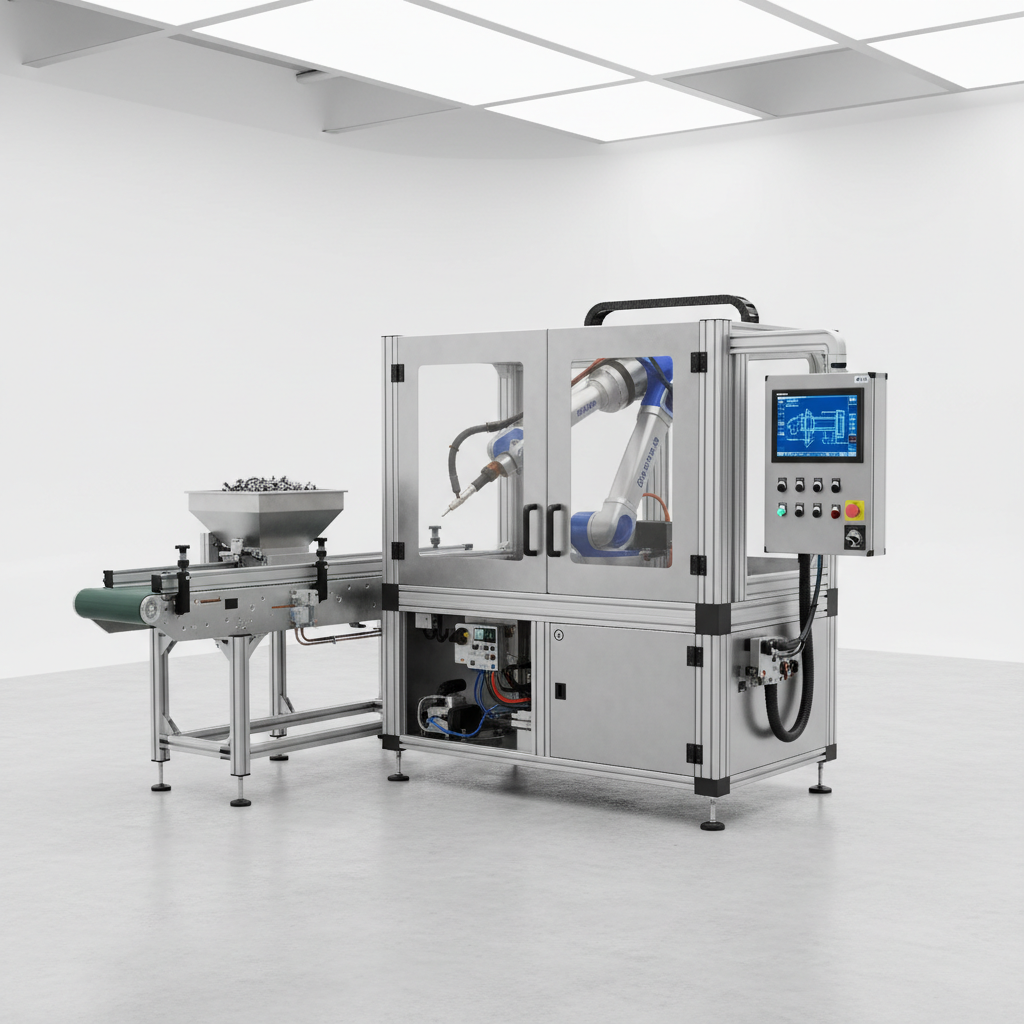
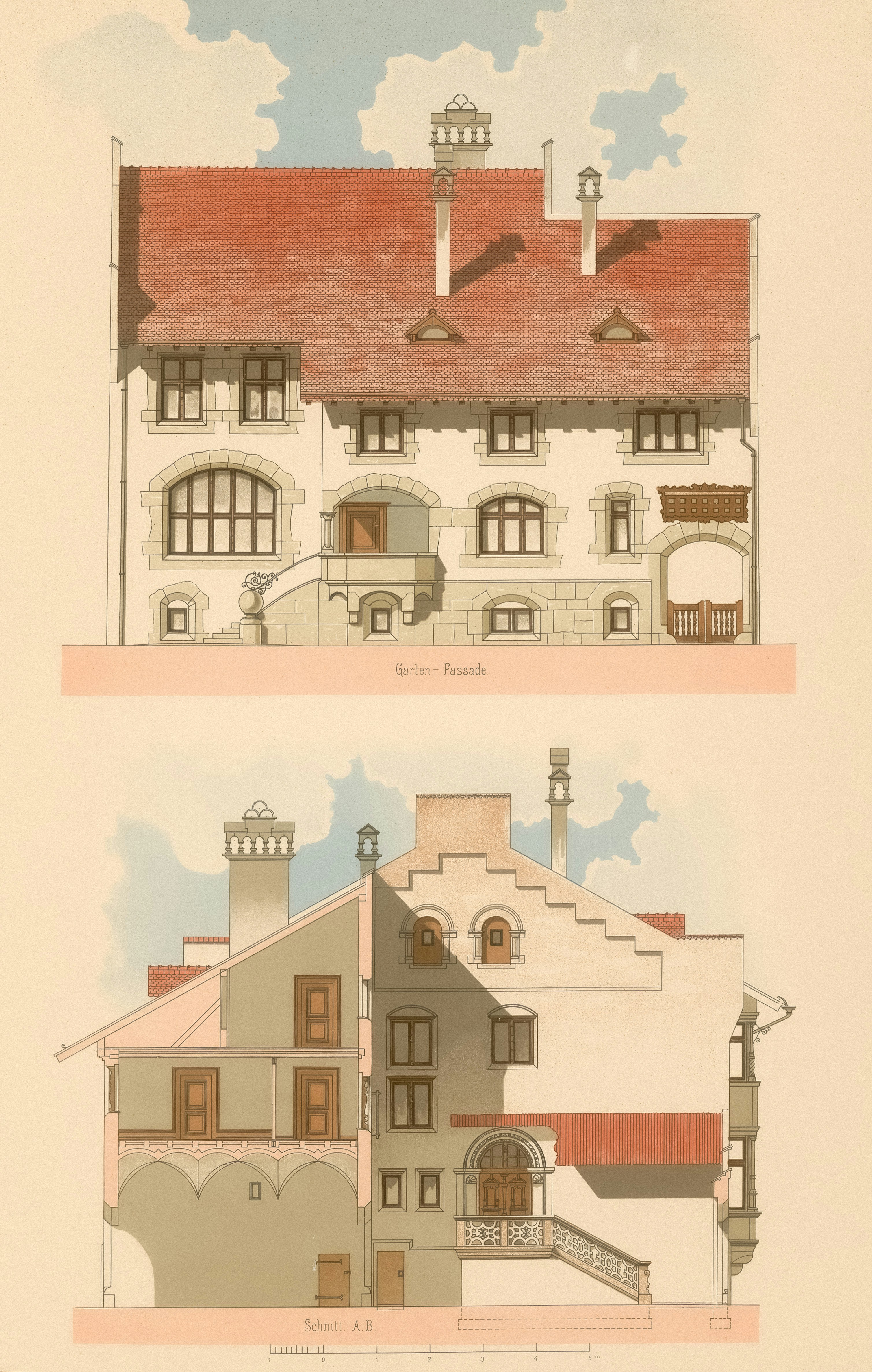
The examiner's first office action cited a 2019 Korean patent for a similar gripper mechanism and rejected all 22 claims under § 103. A less experienced agent might have narrowed the claims and moved on.
Instead, we conducted a full prosecution history estoppel analysis on the cited reference and found that the examiner had misread the translated abstract — the Korean patent disclosed a pneumatic actuation mechanism, not the electromechanical feedback loop at the core of our client's invention.
We drafted a 34-page response distinguishing the references on three independent grounds, with annotated figure comparisons showing the structural and functional differences at the claim element level. The examiner withdrew all rejections.
Granted with 22 independent and dependent claims intact. Patent family subsequently filed in EP and JP.
"They didn't just respond to the rejection — they rewrote the examiner's understanding of our technology. The claim scope we got was broader than what we originally filed."

From Napkin Sketch to Patent Family.
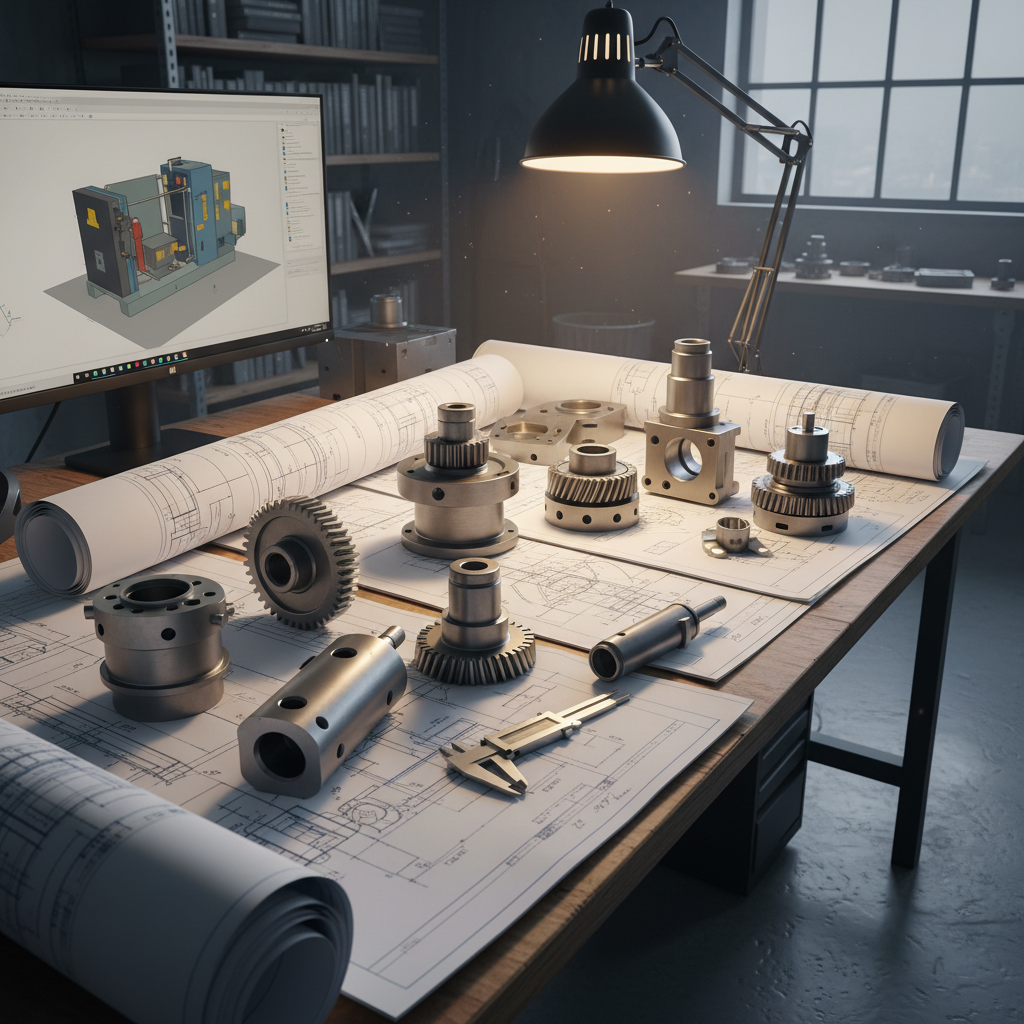
The inventor — a retired fluid systems engineer with 30 years at a major aerospace contractor — arrived with a hand-drawn schematic of a pressure-compensating valve he'd been refining since 2019. He'd been told by another firm that the concept was "probably in the prior art somewhere."
We ran a freedom-to-operate search across four patent databases and found nothing that anticipated the specific combination of his compensating element geometry with the dynamic bypass channel. The prior art was adjacent, not anticipatory.
We drafted claims at three levels of scope: broad method claims covering the compensation principle, intermediate claims tied to the structural configuration, and narrow claims locked to his preferred embodiment. This layered architecture means competitors can't design around the broad claims without infringing the method.
Granted on first action. Continuation application pending with broadened method claims. Licensing discussions initiated with two industrial valve manufacturers.
"I'd been sitting on this invention for four years because I didn't think anyone would take a solo inventor seriously. PatentForge treated my napkin sketch like it was worth protecting — because it was."

Surviving § 101 in the Age of Alice.
The client's in-house counsel had already received a § 101 Alice rejection on a machine learning inference optimization invention. Their previous outside counsel had responded with a generic "significantly more" argument that the examiner dismissed in a two-paragraph response.
We rebuilt the prosecution strategy from the ground up. The key insight: the invention wasn't just an abstract mathematical method — it produced a specific technical effect on memory bandwidth utilization in GPU inference pipelines. We reframed every claim around that concrete technical improvement.
We submitted a technical declaration from the inventor with benchmark data showing the measurable improvement in hardware resource utilization. The examiner's final rejection was narrowed to three dependent claims, which we amended with a single precision edit. Allowed.
Granted. Two continuation applications filed to capture adjacent embodiments identified during prosecution. Patent cited in three subsequent applications by competitors.
"Our previous counsel treated the § 101 rejection like a formality to work around. PatentForge understood that the technical story we told the examiner was the patent. Night and day."

Numbers that speak
before we do.
Our Prosecution Scorecard:
2024 Grant Rates by Art Unit
A 12-page analysis of USPTO allowance rates across 40 art units, broken down by technology class, examiner cohort, and rejection type. Built for in-house counsel comparing prosecution shops — or evaluating their current one.
Business email required · No spam · Unsubscribe at any time
Schedule a
Portfolio Review.
A complimentary 30-minute consultation with the agent best matched to your technology. We'll review your existing filings, identify gaps and continuation opportunities, and tell you plainly what we'd do differently.